
About
The Global Coalition for Energy Planning (GCEP) is a voluntary global initiative that brings together governments, financial institutions, and partners to align long-term energy planning with the investments needed for a just and equitable transition.
Launched at the 1st Energy Planning Summit in Rio de Janeiro in June 2025, following Brazil’s G20 Presidency, the Coalition responds to a pressing challenge: while the world has committed to tripling renewable energy capacity and doubling efficiency by 2030, clean energy investment remains heavily concentrated in a handful of countries. Many developing nations, including African states and Small Island Developing States (SIDS), risk being left behind.
GCEP addresses this gap by strengthening country-owned planning ecosystems. It helps governments and their partners provide the clarity, predictability, and confidence that investors need. By connecting the energy planning and finance communities, the Coalition turns ambitious national goals into bankable realities.
GCEP’s mission is simple but urgent: to drive investment for a just and equitable transition by fostering innovation in planning, enhancing institutional planning capacities, and mobilising collective action.
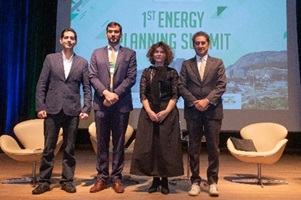 June 2025 |
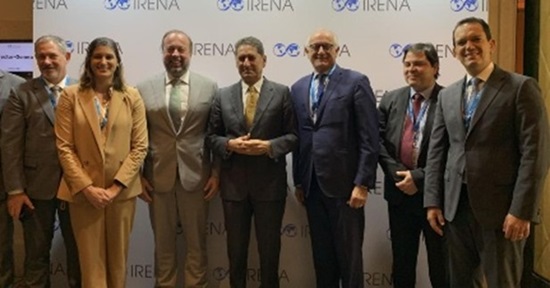 January 2025 |
Core Principles
The work of the Global Coalition for Energy Planning is guided by the following five core principles. These principles inform all activities under the Agenda for Action and ensure the Coalition remains aligned with its mission.
- Promoting transparent and effective energy planning.
- Facilitating knowledge exchange and capacity building.
- Catalysing investments by creating enabling environments.
- Encouraging national ownership of energy planning processes and inclusive participation.
- Leveraging existing initiatives and partnerships
“Although significant investment opportunities exist in emerging markets and developing economies, perceived risks remain a key barrier to investment, particularly from private sources ”
“With its expertise in facilitating international collaboration on energy planning, IRENA is uniquely well-suited to host the Secretariat of the Global Coalition on Energy Planning and promote the exchange of knowledge and experiences on energy planning.”

“Promoting a just and effective energy transition necessarily requires recognizing the leadership of developing countries”
“Promoting a just and effective energy transition necessarily requires recognizing the leadership of developing countries. By advancing the Global Coalition for Energy Planning, Brazil reaffirms its commitment to multilateral dialogue and to strengthening tools that connect strategic planning, public policy, and financing mechanisms in support of a more inclusive and sustainable energy future.”

GCEP Overarching goals
GCEP is a demand-driven initiative dedicated to empowering countries, with a special focus on the unique challenges faced across the developing world. To achieve its mission, the Coalition will pursue three strategic goals, framed as a call to action:
- Enhance countries’ capacity to attract investment by helping develop credible long-term visions that create a stable pipeline of bankable projects by fostering robust and inclusive planning ecosystems.
- Support reducing the cost of the energy transition by promoting transparency, sharing of best practices in policy and regulatory design, and promoting a common language between planners and financiers.
- Enhance coordination of global planning support. GCEP will serve as a hub to improve alignment and synergy across the diverse landscape of actors supporting energy planning, including international organisations, development banks, and bilateral partners.
Agenda for Action
The Agenda for Action is the Coalition’s roadmap to impact. Built through extensive consultations with countries and partners, it reflects shared priorities and turns them into concrete initiatives. Structured around two workstreams – From Planning to Investment and Enhancing Technical and Implementation Capacity – it connects governments, financiers, and experts to unlock investment, strengthen institutions, and deliver practical solutions for a just and equitable energy transition.
By joining the Coalition, Members and Partners contribute to a global platform that translates national ambitions into bankable projects, strengthens planning institutions, and ensures the transition is both just and achievable.
Members and Partners
The GCEP is a global platform for collective action, bringing together countries and institutions that want to shape the future of energy planning and investment.
Members
Membership is open to national governments, regional integration bodies, intergovernmental organisations, and multilateral or national development banks that endorse the GCEP Letter of Principles. On the recommendation of a country Member, participation may also extend to international platforms and knowledge institutions with a global mandate for public–private cooperation in the energy or financial sectors. Members guide the Coalition’s strategic direction and play an active role in advancing the Agenda for Action.
Partners
The Coalition also engages a wide network of Partners, including development agencies, regulators, utilities, private companies, civil society, philanthropic organisations, and research institutions. Partners enrich the work of the GCEP by contributing technical expertise, case studies, and innovative solutions, ensuring that activities remain practical and grounded in real-world needs.
Roles and Expectations
All contributions are voluntary, but Members and Partners are encouraged to actively engage by sharing knowledge, joining workstreams, co-hosting events, and contributing to knowledge products. This hands-on, challenge-led engagement is what drives the Coalition forward.
How to Join
Contact GCEP Secretariat through: GCEP@irena.org.
Joining the Coalition
Be part of a global effort to shape the future of energy planning and investment. By joining the GCEP, Members and Partners gain a platform to collaborate, share knowledge, and connect planning with finance for a just and equitable transition.
Who can join?
- Members: National governments, intergovernmental organisations, and multilateral or national development banks. On the recommendation of a Member country, participation may also extend to international platforms and knowledge institutions with a global mandate for public–private cooperation in the energy or financial sector.
- Partners: Development agencies, regulators, utilities, private sector entities, civil society, philanthropic organisations, and research institutions.
How to join
Joining is simple and there is no membership fee.
- Download the Membership/Partnership form.
- Submit it by email to GCEP@irena.org.
Resources
GCEP Agenda for Action 2025-2026
GCEP Brochure
News and Events
IRENA and Brazil to Host First Global Energy Planning Summit
3-4 June 2025
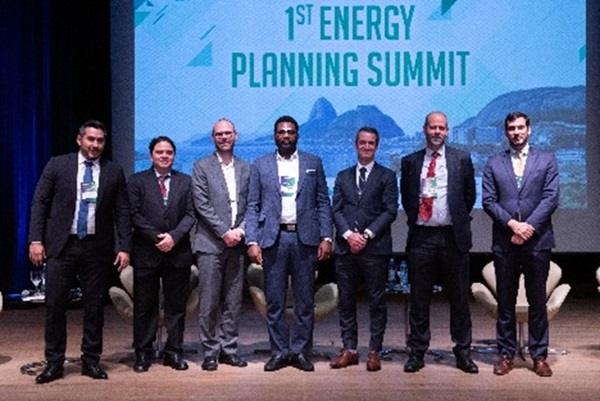
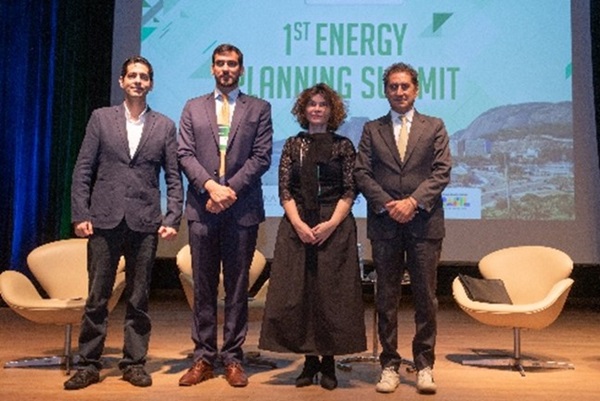
The Government of Brazil and IRENA co-hosted the 1st Energy Planning Summit on 3-4 June 2025 at the BNDES Headquarters in Rio de Janeiro. The event marked the official launch of the Global Coalition for Energy Planning (GCEP), a landmark initiative emerging from Brazil’s 2024 G20 Presidency to help close the investment gap in the clean energy transition through improved energy planning. Read Mor
Global Coalition for Energy Planning Pre-Energy Planning Summit Webinar
13 May 2025
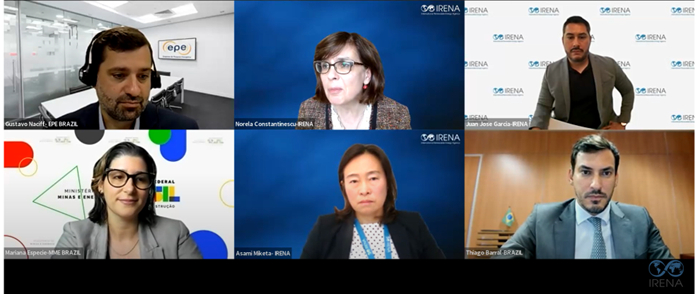
IRENA and Brazil hosted the Pre-Summit Webinar ahead of the official launch of the Coalition which took place at the inaugural Energy Planning Summit in Rio de Janeiro on June 3-4, 2025.
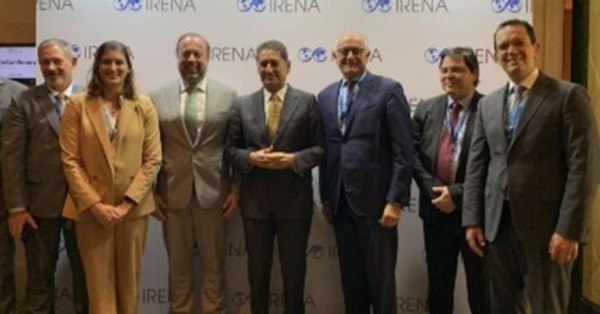
IRENA to Host Secretariat for Global Coalition on Energy Planning
11 January 2025
 =
=
In January 2025 at the 15th IRENA Assembly Brazil’s Minister of Mines and Energy, invited IRENA to serve as the Secretariat of the Global Coalition on Energy Planning (GCEP).